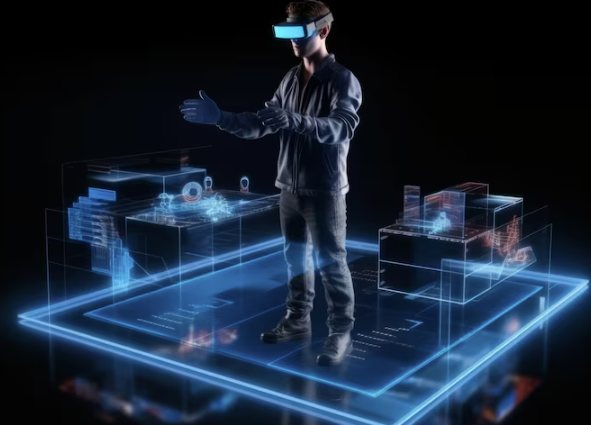
Technology is reshaping the entertainment industry in significant ways. Streaming services have revolutionized content consumption, offering unparalleled access to diverse libraries. Meanwhile, virtual and augmented reality are crafting immersive experiences that engage audiences like never before. Additionally, artificial intelligence is personalizing recommendations, enhancing viewer satisfaction. As interactive storytelling evolves, the dynamics between creators and consumers are shifting. What implications do these advancements hold for the future of entertainment?
The Rise of Streaming Services: Changing How We Consume Content
As viewers increasingly seek convenience and personalization in their entertainment choices, streaming services have emerged as a dominant force in content consumption.
Their subscription models offer flexible pricing, enabling users to select tailored content that meets individual preferences.
Enhanced content accessibility allows audiences to access vast libraries anytime, anywhere, fundamentally transforming traditional media consumption and empowering consumers with unprecedented freedom in their viewing experiences.
Immersive Experiences: The Impact of Virtual and Augmented Reality
Immersive experiences, heralded by advancements in virtual and augmented reality (VR and AR), are revolutionizing the entertainment landscape.
These technologies foster sensory immersion, allowing users to engage with content in unprecedented ways.
Personalization and AI: Tailoring Entertainment to Individual Preferences
While the entertainment industry has long aimed to cater to diverse audience preferences, the integration of artificial intelligence (AI) has taken personalization to a new level.
AI algorithms analyze user feedback to refine content recommendations, ensuring tailored experiences.
This shift empowers individuals, granting them greater choice and control over their entertainment journey, ultimately enhancing satisfaction and engagement in a rapidly evolving digital landscape.
See also: How Technology Improves Workplace Efficiency
The Future of Interactive Storytelling: Engaging Audiences in New Ways
With the rapid advancement of technology, the landscape of storytelling is undergoing a profound transformation, paving the way for interactive experiences that actively engage audiences.
Branching narratives enable viewers to influence outcomes, fostering deeper emotional connections. As audience participation becomes integral, storytelling evolves beyond passive consumption, inviting individuals to shape their journeys, thus redefining the essence of narrative in a digital age ripe with possibilities.
Conclusion
In conclusion, technology’s relentless evolution is reshaping the entertainment realm, much like the printing press revolutionized literature centuries ago. Streaming services, immersive technologies, and AI-driven personalization are not just enhancing how audiences consume content; they are redefining the very essence of storytelling itself. As interactive narratives gain traction, viewers are no longer passive recipients but active participants, heralding a new era where entertainment is not merely watched but experienced, fundamentally altering the relationship between creators and consumers.